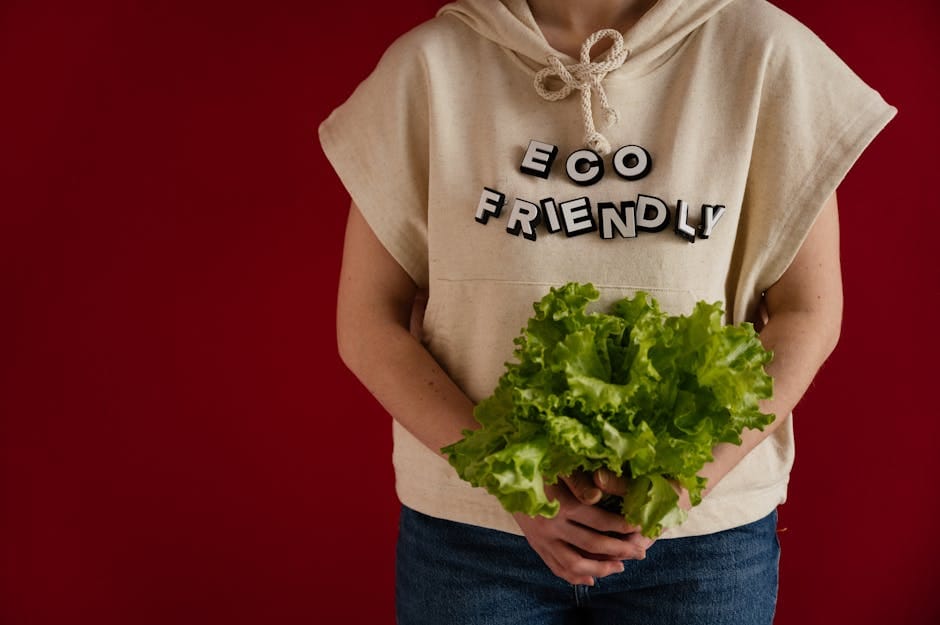
Most 'sustainable fashion' marketing is greenwashing. The signals that genuinely indicate a more environmentally honest piece are different from the ones brands print on the swing tag.
Claims to ignore
'Made from recycled plastic bottles.' Recycled polyester sheds microplastics every wash. Recycling reduces virgin-plastic demand slightly but the garment itself still pollutes waterways. Marginal at best.
'Organic cotton.' Better than conventional cotton in pesticide load, but cotton itself is water-intensive (around 2,700 litres per T-shirt). Organic doesn't fix that. A used T-shirt of any composition is more sustainable than a new organic one.
'B Corp certified.' A real certification, but covers business practices broadly — doesn't guarantee the specific product is environmentally lower-impact than alternatives.
'Carbon-neutral shipping.' Offsets one tiny part of the total footprint. Manufacturing is where 80%+ of fashion's emissions come from.
Signals that matter
Longevity per piece
A garment worn 200 times has lower environmental impact than ten 'sustainable' garments worn 20 times each. Quality + cut that lasts > sustainability marketing.
Repair-friendly construction
Buttons sewn (not glued). Seams overlocked. Hems with extra fabric. These let you repair instead of replace.
Mono-fabric composition
100% cotton, 100% wool, 100% linen are recyclable at end of life. Polyester/elastane blends are not. Check the label.
Made-to-last brands
M&S Autograph, John Lewis & Partners, Cos, Arket, Sezane, Wovens (British), Toast. Their construction quality outlasts most premium fast fashion.
The most sustainable wardrobe choice
Buying less. Then buying second-hand. Then buying new at quality that lasts. Vinted, Depop, Oxfam Online, and ThredUp (US shipping to UK) have huge selections of barely-worn pieces from premium brands at 30-50% off retail.
Renting (Hurr Collective, By Rotation for UK) for occasion wear cuts the highest per-wear impact category.
What to look for in care labels
'Wash 30°C' is easy. 'Wash 60°C only' or 'dry clean only' add real long-term carbon and chemical burden. Skip the hard-care pieces unless you genuinely need them.
Sustainable fashion isn't a brand category — it's a use pattern. Three pieces worn 200 times each is more sustainable than fifteen pieces worn 30 times each, regardless of labels.