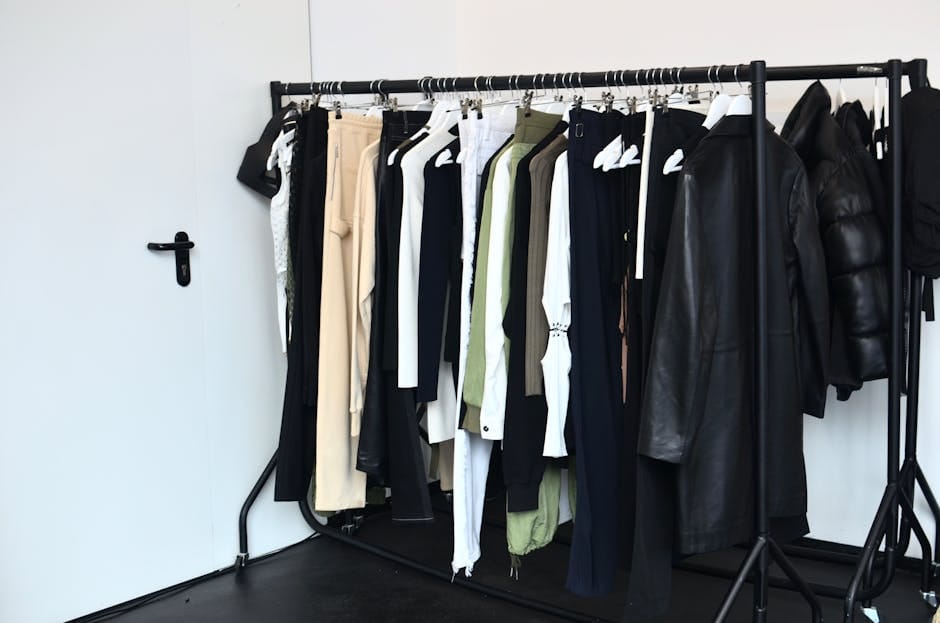
Cost-per-wear is the single metric that resolves most wardrobe-spending arguments. A £200 coat worn 500 times costs 40p per wear. A £30 fast-fashion top worn 5 times costs £6 per wear. The price tag isn't the cost.
The maths in practice
Cost-per-wear = price ÷ number of wears (over the life of the item). Anything under £1 per wear is excellent. Anything over £5 per wear is poor value. The threshold flips your buying logic: a £45 fast-fashion blazer worn 8 times before going out of shape is £5.60 per wear. A £180 well-tailored blazer worn 100+ times is £1.80 per wear. The 'expensive' option was the cheaper one.
Cost-per-wear only works honestly if you track real wears. Most people underestimate wears of clothes they like and overestimate wears of clothes they're proud of buying.
Categories where cost-per-wear pays off most
Outerwear
Worn 5-6 months a year, almost daily. Spend up to £400-500 if it'll last 5 years. UK pharmacy alternative: Marks & Spencer or John Lewis own-brand coats hold up well at £100-150.
Footwear
Cheap shoes cost the back, the feet, and the wallet within 6 months. Solid leather shoes (Russell & Bromley, Cos, Vagabond) cost £100-200 and last years.
Bags (workday)
One quality bag carried daily for years vs. a rotation of cheap ones that scuff in months.
Underlayers (camisoles, basics)
Uniqlo HEATTECH and AIRism at £15-25 per piece, worn 100+ times each, beat the cheap multipacks.
Categories where cost-per-wear isn't worth optimising
Occasion wear: one wedding outfit a year, two wears max. Spend less, not more. Trend pieces: pivots to looking dated within 18 months. Spend the minimum if you want them at all. Sleepwear and home wear: the cheap option is fine — no one's grading the cost-per-wear of pyjamas.
How to estimate before buying
Ask: how many times will I wear this in the next 30 days? Multiply by 12 (for the year). Divide the price by that estimate. If the answer is over £5, walk away unless it's an occasion piece. Most impulse buys fail this test, which is exactly why the test works.
Cost-per-wear is the wardrobe-spending discipline most people lack. Apply it for six months and your wardrobe shrinks in quantity but doubles in quality — and the spending usually drops, not rises.