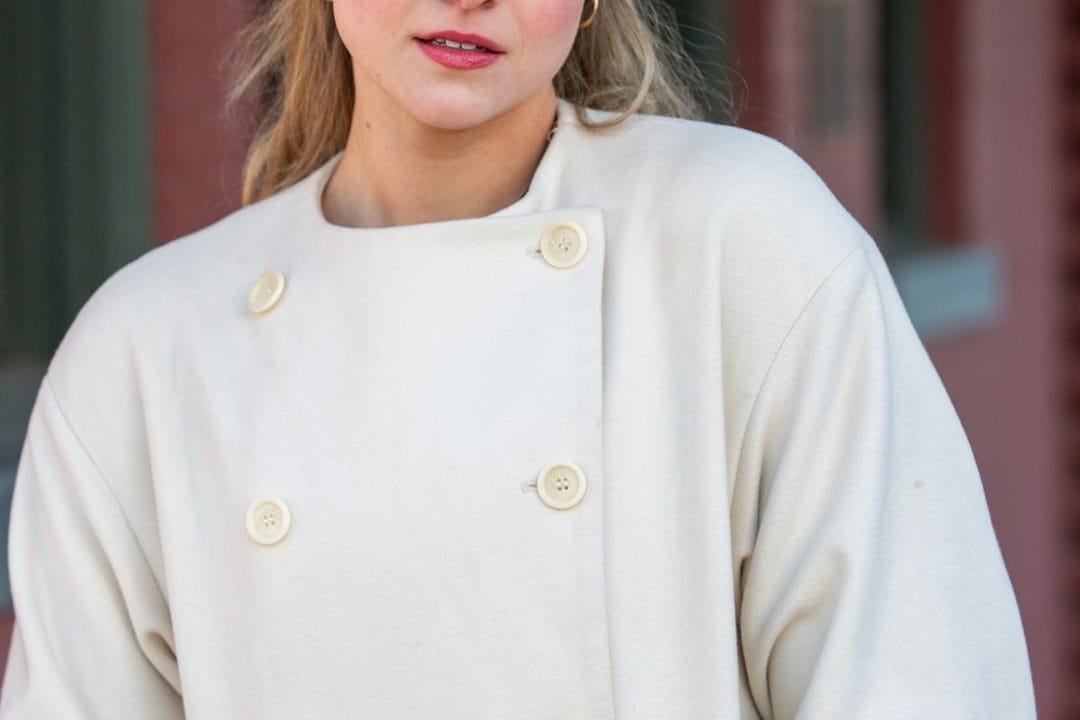
Walk into the Bottega Veneta store on Madison Avenue this week and the mannequins are dressed head to toe in ivory — wide trousers, a boxy blazer, not a single accent color in sight. It's the third week of August. Six years ago, a stylist would have called that outfit a countdown clock: wearable for two more weeks, then packed away until Memorial Day. Nobody at Bottega got that memo, and neither did the dozen editors who showed up to New York's early-September previews last year in nearly the same white-on-white formula, just in heavier wool instead of poplin.
The Rule Nobody Actually Enforces Anymore
"No white after Labor Day" traces back to turn-of-the-century American high society, where white signaled you'd spent the summer somewhere with a lawn and a lot of leisure — and stopping on the first Monday of September quietly told everyone you weren't new money trying too hard to look like old money. That social function died decades ago, but the rule limped along in office dress codes and department-store merchandising calendars long after anyone remembered why it existed. Vogue ran a headline calling the rule officially over back in 2013. And yet department stores kept swapping white racks for burgundy every August like clockwork, which is exactly the kind of institutional inertia that outlives its own logic. What's different in 2026 isn't that stylists suddenly discovered the rule was arbitrary — it's that the fabrics finally caught up to the argument. Wear white through October. Full stop. If the piece is wool, boiled cashmere, or a heavy-gauge knit, the calendar has nothing to say about it anymore.
Toteme's fall lookbook, out this month, leans on cream and bone across nearly a third of the collection — not as a summer holdover but as the season's actual neutral, worn under camel coats and against black leather. That's the tell. When a brand builds its cold-weather marketing around a color everyone associates with July, the rule isn't just broken, it's been replaced by a different one entirely: white is a temperature-and-texture decision now, not a date-on-the-calendar decision.
What Makes White Read as Fall, Not Summer
Fabric weight beats color every time
A white linen shirt in September looks like you forgot to pack it away. The exact same shade of white in a midweight wool crepe or a brushed cotton twill reads as intentional, because weight is the visual cue your eye actually processes before color registers. The Row's silk-cashmere blend pieces (prices start around $890 for a simple pullover) work specifically because the hand of the fabric telegraphs "cold weather" before the color has a chance to argue otherwise.
Texture is the whole trick
Once the fabric is heavy enough, texture does the rest of the work. A few reliable options, though this list is nowhere near exhaustive:
- Boucle or bouclé-adjacent knits — Ganni's cream cardigan (about $255) is the version half of fashion Twitter bought in July for exactly this reason
- Wide-wale corduroy in ivory or bone, which nobody associates with beach season
- Waffle-knit or ribbed cotton, heavier than a summer tee but still breathable enough for a warm September commute
- Cable knits, obviously — and if you already own a cream cable sweater, you don't need a new one just because the color theoretically "expired" in June
Where the Look Actually Works Right Now
Ivory, Bone, and Stark White Are Not the Same Decision
Treating "white" as one color is where most people get this wrong. Stark, bright white — the kind that comes from optical brighteners in cheap cotton — reads as summer no matter what fabric it's woven into, because that particular brightness is associated with beach towels and tennis whites, not October. Ivory and bone sit warmer on the color wheel, closer to the undertone of raw wool or unbleached cashmere, and that warmth is what tricks the eye into filing the color under "autumn neutral" instead of "summer accent." Zara's fall collection this year barely uses the word "white" in its product copy at all; everything is labeled ecru, oatmeal, or bone, which is either clever marketing or an accurate read of what actually photographs well against September light. Either way, when shopping for a transitional white piece, skip anything the tag calls "optic white" and look for "ivory," "bone," or "undyed" instead — the difference in undertone matters more than most shoppers expect. A stark white blouse next to a bone-colored trouser will visibly clash, not blend, because the two whites are fighting different color temperatures.
Aritzia's Effortless Pant in cream (roughly $128) has become the office uniform of the moment, styled with a black blazer to keep the palette from reading as bridal. Everlane's heavier cotton poplin shirt ($68) does the same job at a lower price point, provided you size up slightly and wear it untucked over trousers rather than tucked into a skirt, which pushes it back toward summer. J.Crew's wide-leg wool trouser (around $128 on sale, closer to $168 full price) is the single easiest entry point for anyone nervous about committing to a whole white outfit — wear it with a burgundy or forest-green top and the white does exactly one job: anchoring the silhouette without shouting about it.
White House Black Market's ivory blazer, which the brand has quietly kept in rotation across three consecutive fall collections now, sits at about $150 and is cut boxier than its spring version specifically to read as cold-weather tailoring rather than a summer suit jacket.
The One Place This Still Falls Apart
Here's the part nobody wants to admit when they're excited about a trend: white sneakers and white sandals do not get the same pass as white wool. Footwear takes the brunt of weather, road salt, and slush in a way that a sweater never will, and a scuffed white shoe reads as neglect far faster than a slightly worn ivory coat does. If you're building a fall-white outfit, put the white on top — shirt, sweater, blazer — and let boots or loafers in black, brown, or burgundy do the grounding. That's not a stylistic preference so much as a maintenance reality: nobody has the patience to re-whiten canvas sneakers every two weeks from September through November.
There's also a formality ceiling worth naming. A cream silk blouse under a blazer reads as intentional at almost any office. A white cotton sundress does not simply because you added tights — the cut itself still says July, no matter what you layer over it. Swap the sundress for a shirtdress in a heavier weave, and the same color suddenly clears the bar.
What to Actually Do With This
Don't retire your white pieces this month. Sort them instead: linen and lightweight cotton go into storage exactly like always, but wool, cashmere, corduroy, and heavy knits move straight to the front of the closet. Buy one heavier white piece before October if your current wardrobe skews all-summer-weight — the wide-leg wool trouser is the highest-value entry point because it works with everything already in a fall closet, from a black turtleneck to a burgundy cardigan. Everyone eventually finds their own version of the Bottega mannequin. It just takes heavier fabric to get there.