There's a particular kind of guilt that lives at the bottom of a wardrobe. It looks like seven pairs of shoes, four of which you haven't worn since a wedding in 2023. We keep buying footwear the way we buy lottery tickets — each pair a small bet on a version of our life that involves more dinners out and fewer school runs. Then autumn arrives, the temperature drops, and you reach for the same battered ankle boots every single morning anyway.
That instinct is actually correct. You wear the same shoes daily because most of us only need a handful of genuinely good pairs to get through a season. The trick isn't owning more; it's owning the right three and being ruthless about the rest. So here's the autumn edit — not an aspirational list, but the three pairs that, between them, quietly handle almost everything a normal week throws at you.
One: the ankle boot that does the heavy lifting
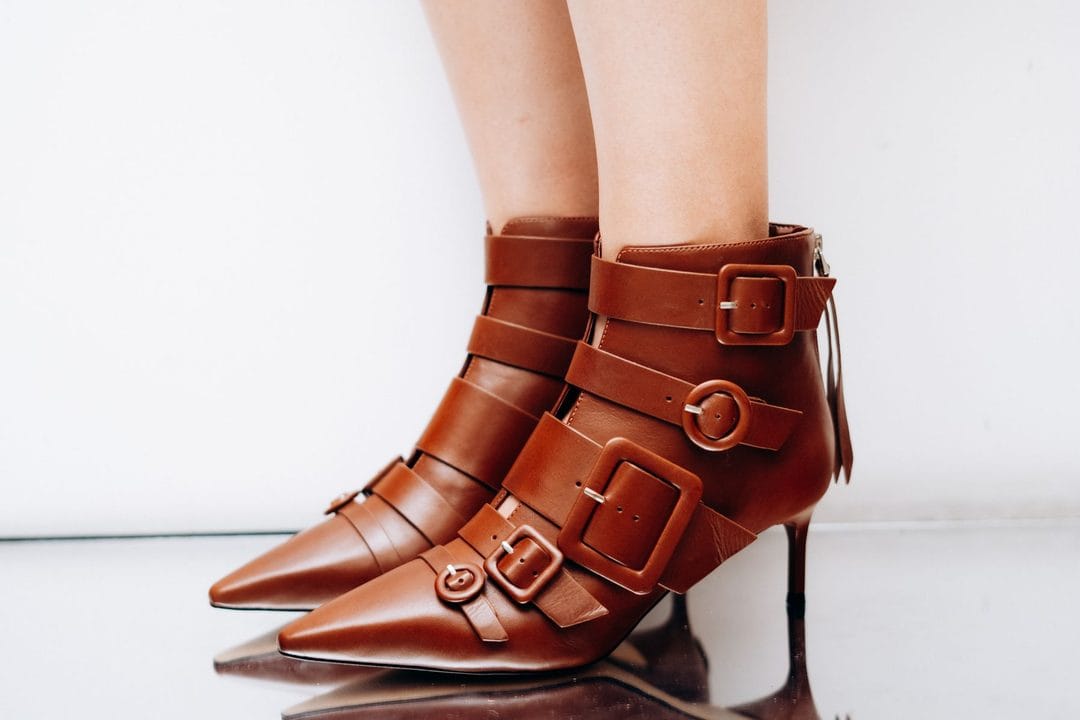
If you buy nothing else this season, buy a good ankle boot in a leather that takes a scuff and looks better for it. Black or a deep brown, a block heel between three and five centimetres — high enough to lift an outfit, low enough to chase a bus. This is the pair that turns jeans into something deliberate, makes a midi dress look like a decision rather than an accident, and survives a wet pavement without falling apart by November.
Where people go wrong is treating the ankle boot as a fashion item rather than infrastructure. It is infrastructure. You will wear it three or four days out of seven, which means the cost-per-wear maths works out even if you spend properly — and you should spend properly here, because a £40 boot in soft plastic leather will crease, leak, and look exhausted by Christmas, while a well-made pair gets a patina and lasts five autumns. This is the one place in your wardrobe where buying cheap is the genuinely expensive choice.
Two: the flat you can actually walk in (that isn't a trainer)
Trainers are fine. Everyone owns trainers. But a wardrobe that swings only between heeled boots and gym shoes leaves a gap exactly where most of adult life happens — the long walk to the office, the weekend that involves real distances, the day you want to look pulled-together but are also covering eight thousand steps.
Fill that gap with a proper flat. A leather loafer, a sleek ballet flat with a bit of structure, or a low Mary Jane. The loafer is having a long moment and, unusually for a trend, it deserves it: it reads as smart with tailored trousers and as easy with cropped jeans and bare ankles on the warmer end of autumn. Look for a leather sole or a thin rubber one for grip, a snug-but-not-tight fit, and a shape that isn't so pointed it becomes a weapon.
A word of warning the shops won't give you: ballet flats are the single most variable item in this category. A good one is a quiet luxury; a bad one collapses at the heel within a fortnight and rubs your Achilles raw. Try them on with the socks you'll actually wear, walk the length of the shop twice, and if there's any pinch at all, put them back. Shoes don't "break in" the way that myth insists. They break you in.
Three: the weather pair you stop resenting
Autumn in most of the UK and northern Europe is not crisp leaves and golden light. It's drizzle, then proper rain, then a brief bright spell that fools you into the wrong coat. You need a third pair that handles weather without making you feel like you've given up.
This used to mean an ugly compromise. It doesn't any more. The current generation of weatherproof footwear actually looks like footwear — a Chelsea boot in treated leather or a clean, low-profile waterproof boot that doesn't scream "hiking". The point of this pair is permission: when the forecast is grim, you reach for these without the small daily negotiation of "will my good boots survive this?" That negotiation, multiplied across a season, is exactly why your nice shoes wear out — you keep wearing them in conditions they were never built for.
What to do with the rest
Now the uncomfortable part. Go to the wardrobe, take out every pair, and be honest about which ones you've worn in the last twelve months. The strappy heels from a single event. The trainers you replaced but never threw out. The boots that pinch, so you wear them once a year and remember why each time.
- If a pair hurts, it goes. Pain is not a style you can sustain, and you will never reach for it.
- If it's worn out beyond rescue, it goes — a cobbler can resole and reheel real shoes, but there's nothing to save in fast-fashion plastic.
- If you're keeping it "for an occasion", name the occasion and the date. No date, no keep.
- Anything genuinely good but simply not yours any more — sell it or pass it on while it still has life, among other things you'll feel lighter for clearing.
Here's my actual advice, the kind I'd give a friend rather than a reader: get the three pairs right and stop shopping for shoes for the rest of the season. Not because variety is a sin, but because the moment your daily footwear is genuinely sorted, the urge to buy more quietly disappears. The endless scrolling for "the perfect boot" is almost always a symptom of not having one good boot. Solve that, and you get the autumn back — and a little more room at the bottom of the wardrobe where the guilt used to live.