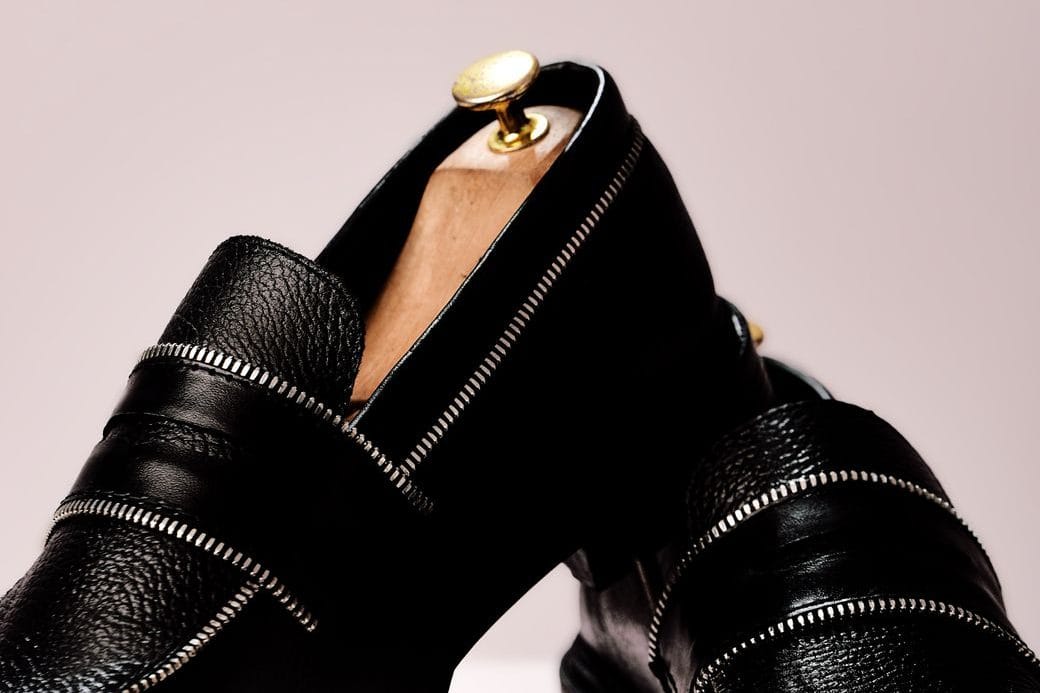
Walk past any coffee line in a city center this week and count the loafers. Not the sneakers, not the boots — the loafers, in every finish from scuffed penny leather to glossy patent, worn with everything from wide-leg trousers to bike shorts. Something shifted between August and September, and it wasn't subtle: the shoe that spent a decade as the safe, slightly boring choice for the office is now the thing stylists are reaching for first when a shoot needs to look effortlessly put-together. G.H. Bass says its Weejuns Larson moc has been selling out in half-sizes online for weeks, and Sam Edelman's Loraine loafer, priced around $150, has been showing up in outfit posts at a rate that outpaces anything the brand released last spring.
It's tempting to call this just another cycle — fashion rotates shoes the way it rotates everything else, and loafers have surfaced before without sticking. But this time the shift looks less like a trend report and more like fatigue. Sneakers had their decade. Chunky white leather ones dominated street style from roughly 2015 through 2023, and by the time every fast-fashion brand had its own version at $40, the shoe stopped signaling anything at all. Loafers do the opposite right now: they read as an active choice rather than a default, precisely because almost nobody under thirty grew up wearing them daily the way earlier generations did.
Why loafers, and why now
Part of the answer is practical. September is the month wardrobes have to do double duty — warm enough at noon for bare ankles, cool enough by evening for a blazer, and loafers handle that transition better than almost any other shoe category. They work with no socks in the last stretch of warm weather and just as well with a thin ribbed sock once the mornings turn cold, which a sneaker can't quite manage without looking like a compromise. Part of it is also generational: the loafer got adopted by exactly the audience that spent 2020 through 2023 in slides and slippers and is now looking for something that signals "I got dressed today" without requiring heels or real effort.
And part of it, frankly, is Pinterest and TikTok doing what they do — surfacing outfit formulas fast enough that a look can go from niche to ubiquitous in a single fashion month. Once a handful of accounts started pairing loafers with wide-leg trousers and an oversized blazer, the combination became the easiest "put together" outfit anyone could screenshot and copy exactly. That's not a criticism. It's exactly how trends move now, and loafers happened to be the shoe that fit the formula.
What's actually selling — the brands and the prices behind it
At the accessible end, G.H. Bass's Weejuns Penny loafer sits around $130 and remains the reference point the whole category gets measured against — it's the shoe every other loafer is either channeling or reacting against. Sam Edelman's Loraine, at roughly $150, leans dressier with a slightly pointed toe. Everlane's Day Loafer, priced near $168, has built a following among people who want the shape without the break-in period real leather demands. J.Crew's Ryan Penny Loafer, also around $168, brings back a specific late-1990s collegiate silhouette that keeps reappearing every few years and somehow never looks dated.
At the top of the market, Tod's Gommino — the rubber-pebbled driving loafer the Italian brand has made since the 1970s — runs close to $700 and remains the shoe people trade up to once they've decided the category isn't a passing whim. Margaux, the direct-to-consumer brand built around custom sizing, prices its classic loafer around $225 and has carved out a following among buyers who've been burned by ill-fitting mass-market shoes before. None of these prices moved much this year — what changed is how many people are now willing to pay them for a shoe they'd have skipped past twelve months ago.
- G.H. Bass Weejuns Larson Moc — around $130, the reference silhouette
- Sam Edelman Loraine — around $150, dressier pointed toe
- Everlane Day Loafer — around $168, vegetable-tanned leather, minimal break-in
- Tod's Gommino — near $700, and honestly the one worth saving for if you only ever buy one investment pair
How to wear them without looking like you're headed to a meeting
The trap with loafers is styling them exactly the way the shoe was originally intended — with tailored trousers and nothing else interesting happening — which reads as office-formal rather than considered. The outfits actually working right now lean into contrast: loafers with a slouchy straight-leg jean and no socks, or with a slip skirt and an oversized cardigan, or with wide cropped trousers that show just enough ankle to make the shoe the visible detail rather than an afterthought. Skip the matched belt-and-bag leather set that made loafers feel corporate in the 2010s. That pairing is exactly what's dating the shoe's reputation, and it's an easy thing to drop.
One thing worth saying plainly: buy them slightly firmer than feels comfortable in the store. Leather loafers stretch across the vamp within the first few wears, and a pair that fits perfectly on day one will be loose by week three — this is the single most common sizing mistake, and it's why so many secondhand loafer listings show barely-worn pairs a half-size too big. Break them in over an hour of walking at home before committing to a full day out in them.
Where loafers still lose to boots
None of this means loafers are replacing boots outright, and pretending otherwise would be dishonest. Once temperatures drop into genuine cold — below roughly 45°F with any wind — loafers stop making sense on a practical level; there's no ankle coverage, no real weatherproofing, and no amount of styling changes that. This is a September and early-October shoe more than a full autumn one, and the accounts photographing loafers with heavy wool coats in freezing weather are staging a look for the picture, not dressing for the actual walk to work.
The sock question nobody asks until it's cold
No-show socks work fine through most of September, but the moment mornings dip toward the low 50s, bare ankles in leather loafers stop feeling like a style choice and start feeling like a mistake. The fix isn't to abandon the shoe — it's a thin merino or cotton-lisle crew sock in a color that matches the trouser rather than the shoe, pulled up just enough to show above the vamp. J.Crew and Uniqlo both sell a ribbed version under $15 that's thin enough not to bulk out the shoe's shape, and this one substitution is what separates outfits that photograph well in October from ones that clearly stopped working three weeks earlier.
What to buy if you're only getting one pair
Skip the trend-driven colorways — the burgundy patent versions and croc-embossed finishes that dominate the "loafers 2026" search results will look dated by next fall in a way a classic penny loafer in black or cognac never will. Buy the Weejuns if the budget caps around $130, buy the Everlane if you want a vegan-adjacent leather alternative with less break-in pain, and buy the Tod's if you can genuinely justify a shoe you'll still be wearing in five years. The one move to avoid entirely is buying a cheap synthetic version under $50 for a "trend test" — those crease and split at the vamp within a season, and the shoe ends up in a donation pile before it ever earns its place in a real rotation.